November 23, 2026
Tackling a major home cleanout, renovation, or landscaping overhaul generates far more debris than standard municipal bins can ever handle. When garbage bags and broken materials pile up in the driveway, securing a reliable local dumpster rental transforms an overwhelming cleanup into a streamlined project. Rather than making exhausting, repetitive trips to the municipal landfill, you can toss unwanted items directly into a central container right outside your door.
Understanding how waste hauling works removes the guesswork from your very first booking. From selecting an appropriate container footprint to prepping your driveway for heavy truck delivery, a little advance planning prevents unexpected delays or extra charges. This guide walks you through every essential phase of the process so you can manage your project debris safely, affordably, and efficiently.
Assessing Your Project Scope and Debris Volume
Before reaching out to a waste hauler, take an honest inventory of the materials you plan to discard. Different projects produce vastly different debris profiles, ranging from lightweight cardboard boxes and old clothing to dense plaster, roofing shingles, and broken concrete. Estimating the physical volume and overall weight of your junk helps prevent ordering a container that overflows halfway through your cleanup.
Grouping similar items together in your garage or yard provides a helpful visual gauge of how much space you actually need. Keep in mind that bulky furniture, yard branches, and awkward renovation scraps rarely stack neatly, leaving pockets of empty air inside the bin. Choosing a slightly larger container than you initially think necessary often saves you from paying for a secondary haul later.
Speaking with an experienced local dumpster rental specialist can also help clarify how much waste your specific project will likely generate. Experienced dispatchers ask helpful questions about the rooms you are clearing or the materials you are tearing out. Their practical insight ensures you start your project with plenty of room to spare.
Selecting the Right Container Size and Style
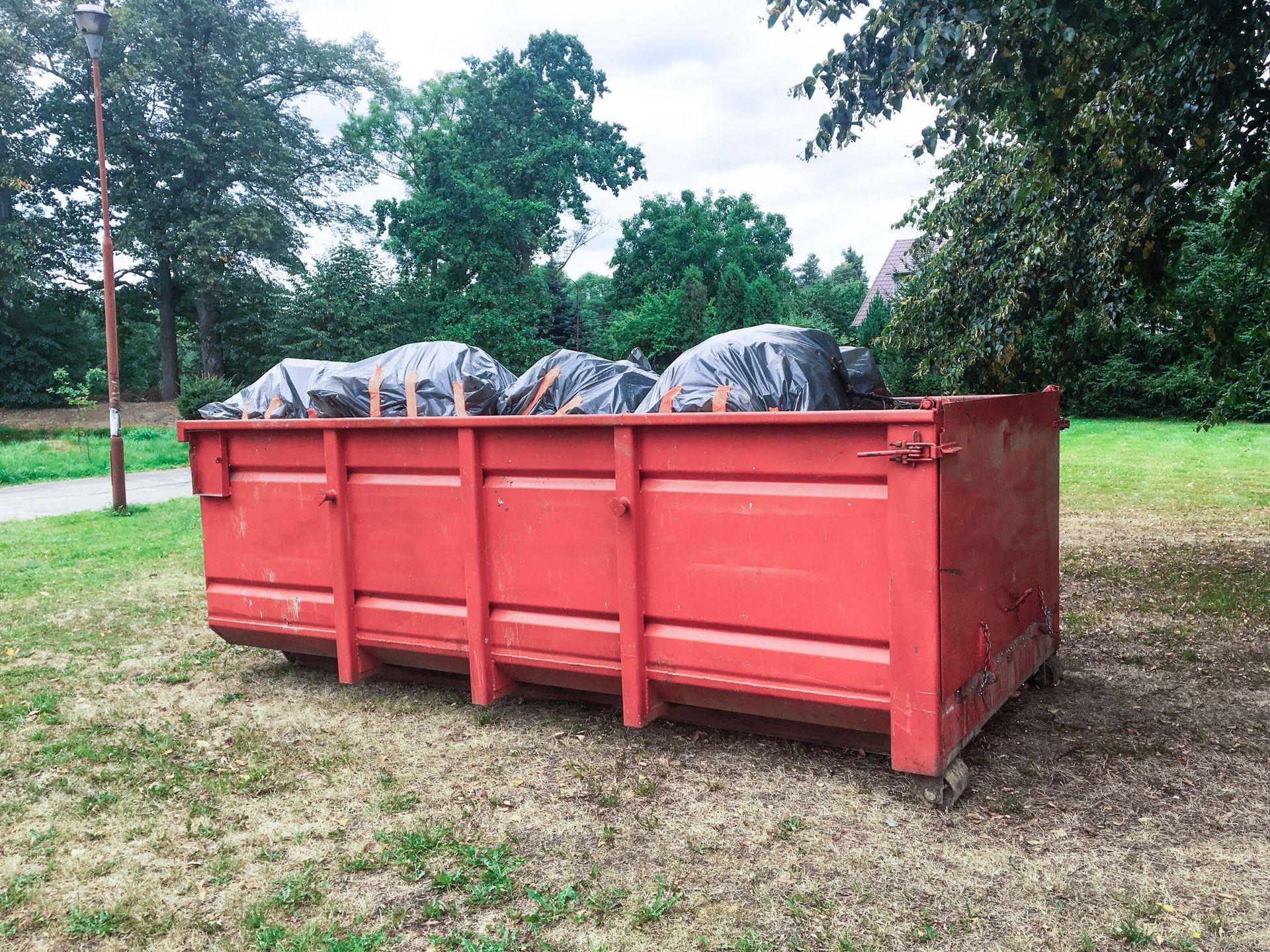
Roll-off containers come in several standard footprints designed to match both residential and commercial cleanup scales. Compact bins fit easily into tight suburban driveways and handle small bathroom remodels, attic cleanouts, or routine garage decluttering with ease. Larger containers feature high walls capable of swallowing bulky framing lumber, flooring, and full estate cleanout debris.
Open-top roll-off dumpsters remain the most popular choice for homeowners because they allow you to walk heavy items straight through the swinging rear door. When comparing available options through a local dumpster rental provider, ask about the exact exterior dimensions to ensure the unit fits comfortably on your property. Matching the container footprint to your available space keeps your street clear and your workflow smooth.
You should also consider the specific weight allowance bundled into each container size before finalizing your selection. Heavy construction debris such as dirt, brick, concrete, and wet lumber can quickly exceed standard weight thresholds even when the bin looks half empty. Asking about heavy debris pricing upfront prevents unwelcome overage fees when your container reaches the scale.
Reviewing Permitted and Prohibited Waste Materials
Every waste management facility enforces strict guidelines regarding what can enter the municipal landfill or regional recycling stream. Standard household junk, yard trimmings, untreated wood, drywall, carpeting, and general construction debris are routinely accepted without issue. Knowing these basic allowances upfront lets you toss most everyday clutter straight into the bin with complete confidence.
Hazardous, toxic, and flammable substances are strictly banned from standard roll-off containers for critical environmental and safety reasons. Paint, motor oil, asbestos, car batteries, tires, electronics, and appliances containing refrigerants require specialized disposal channels. Always review your provider's restricted items list before loading begins so you can set prohibited goods aside for proper municipal drop-off.
Mixing banned items into a general waste load often results in steep contamination penalties or refusal of pickup at the curb. If you are unsure whether a specific chemical, stain, or old appliance qualifies for disposal, call your local dumpster rental office before tossing it inside. Taking a quick moment to verify questionable items keeps your project compliant and protects local sanitation workers.
Planning Your Rental Timeline and Scheduling
Coordinating delivery and pickup dates around your project schedule keeps your cleanup moving at a steady, predictable pace. Most homeowners book a container for a short window over a busy weekend, while extensive home remodels require keeping the bin on-site for several weeks. According to Fact.MR, in 2026, long-term rentals represent 58.2% of the total rental duration market share.
Scheduling your local dumpster rental a few days ahead of your project start date ensures reliable availability during peak spring and summer renovation seasons. Confirm whether your agreement includes flexible extension options in case bad weather or contractor delays push your timeline back. Clear communication with your dispatcher guarantees prompt arrival and timely removal once the final load goes in.
Be sure to clarify whether pickup happens automatically on your scheduled end date or requires a quick phone call when you finish loading. Knowing the exact pick-up protocol prevents the container from sitting in your driveway longer than intended. A well-timed schedule keeps your neighbors happy and lets you reclaim your driveway space immediately after the work wraps up.
Preparing Your Property for Safe Delivery
Delivery trucks require ample overhead and ground clearance to safely roll a heavy steel container off the hydraulic flatbed. Choose a flat, paved surface like a concrete or asphalt driveway, and clear away parked cars, basketball hoops, and low-hanging tree branches. Providing a straight, unobstructed path allows the driver to position the bin precisely where you need it.
Placing sturdy wooden planks across your driveway surface creates a protective buffer between the steel rollers and your pavement. If your property lacks adequate driveway space, check with your city or homeowners association about placing the container on the street. Securing any required municipal right-of-way permits ahead of time prevents costly fines or frustrating delivery cancellations.
Walking the drop zone before the truck arrives helps you spot potential obstacles like soft lawn edges, septic tanks, or overhead utility wires. Marking the exact placement spot with bright cones or wooden boards gives the driver a clear visual target even if you cannot be home during delivery. Proper site preparation protects your landscaping and ensures a smooth, damage-free drop-off.
Loading Your Dumpster Safely and Evenly
How you pack the container directly impacts both safety during highway transport and compliance with facility weight limits. Open the swinging rear gate to walk heavy, bulky objects inside first, placing them flat against the floor to maximize usable space. Breaking down wooden pallets, shelving units, and cardboard boxes eliminates air gaps and lets you fit far more debris inside.
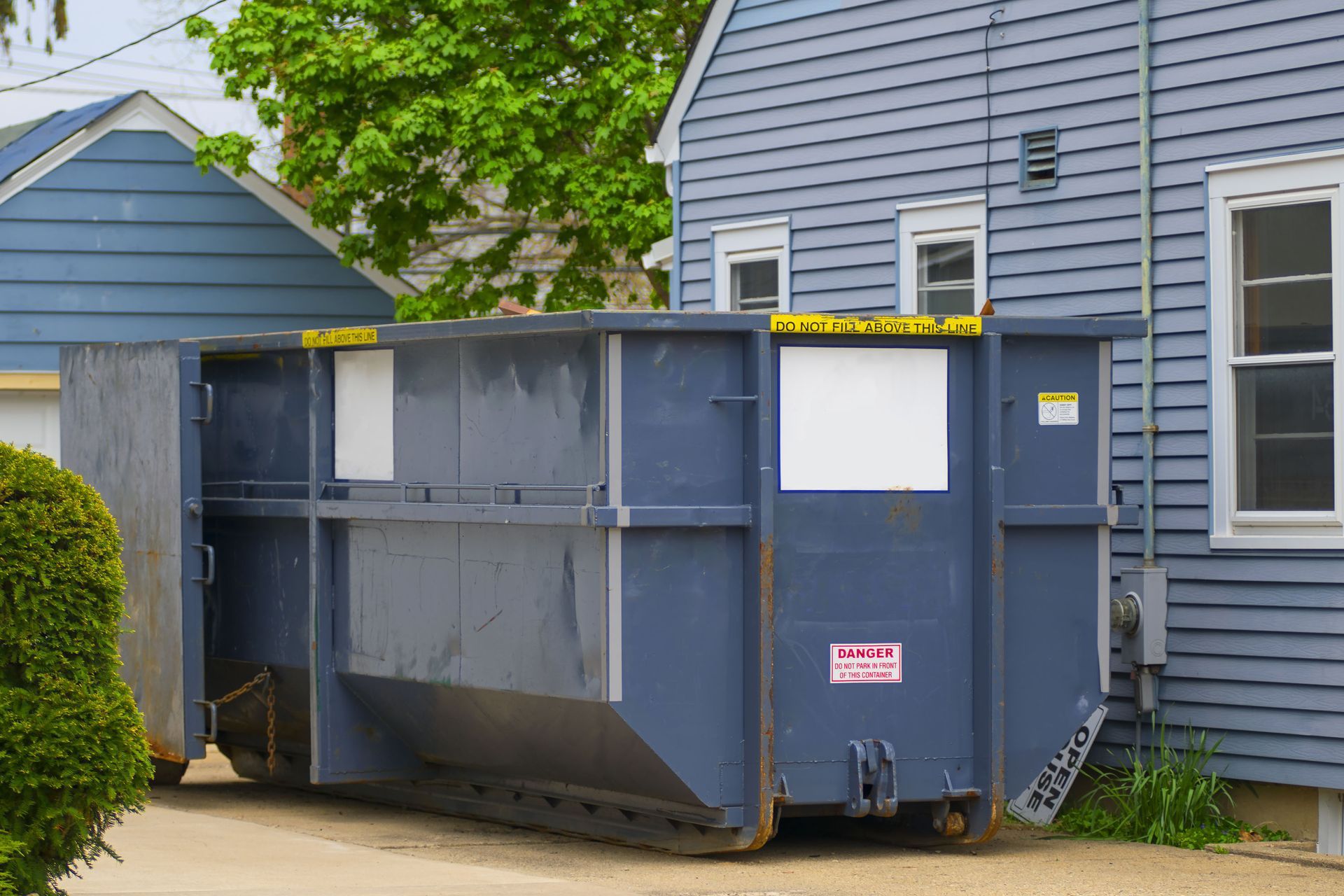
Distribute heavy items evenly from front to back so the container remains balanced when the truck hoists it onto the bed. Never pile debris above the top rim of the sidewalls, as drivers cannot legally haul overfilled loads on public roads.
Before calling for removal, walk around the container to confirm the rear door is securely latched and no loose debris hangs over the edges. Keep the area directly in front of the bin completely clear of vehicles so the driver can hook up and depart without delay.
Ready to clear out clutter and keep your upcoming renovation running right on schedule? Reach out to Johnson Roll-Off Service today to book the ideal container for your project and enjoy dependable, stress-free waste removal from start to finish.