September 23, 2026
Choosing the appropriate dumpster size is crucial for efficient waste management in any business. An adequately sized dumpster ensures that waste handling processes are smooth, cost-effective, and convenient for businesses of all sizes. The right size can save money, streamline operations, and prevent overflows that might otherwise disrupt daily activities. This article will guide you through the process of selecting the right dumpster size tailored to your business needs, ensuring that both operational efficiency and environmental responsibilities are met.
Understanding Your Waste Output
Assessing Current Waste Levels
Understanding current waste levels is the first step in selecting the appropriate dumpster size. Observing the amount and type of waste generated daily can help quantify needs. Businesses should start by documenting how much trash accumulates during one typical business day. Regular assessments allow companies to observe patterns and predict future waste outputs. This knowledge is invaluable for making informed decisions about the size of the dumpster needed.
Categorizing Types of Waste
Different businesses produce varying types of waste, making categorization essential. Waste types can range from organic waste and recyclables such as plastics and metals, to hazardous materials. An effective waste management strategy recognizes these categories, ensuring each type is handled and disposed of appropriately. Recognizing the waste type also aids in selecting a dumpster with the appropriate features, such as specialized bins for recyclables or hazardous waste. This not only optimizes waste management but also boosts environmental sustainability.
Identifying Peak Disposal Times
Many businesses experience fluctuations in waste generation. Periods of increased activity often result in more waste. Identifying peak disposal times, such as busy seasons for retail or post-event cleanups for venues, helps plan for larger waste capacity during high-demand periods. It ensures that dumpster needs can flexibly align with business cycles without causing overflow or additional pickups. This strategic planning enhances both operational efficiency and cost-effectiveness in waste management.
Analyzing Historical Waste Data
Examining historical waste data over set periods offers insights into trends that influence current needs. Historical data provides a retrospective look at waste levels over days, weeks, or months. Such an analysis can reveal cyclical patterns or growth trends in waste production. This information supports better predictions and size estimations for future dumpster needs. Businesses can leverage historical data to adjust strategies proactively, avoiding the pitfalls of under or over-provisioning.
Estimating Future Waste Levels
As businesses grow or change, their waste profiles can evolve. Estimating future waste levels involves projecting business growth, downsizing, or shifts in processes that might impact the waste generated. This forward-looking approach ensures that dumpster solutions remain relevant, preventing miscalculations that could lead to inefficiency or added costs. It is crucial for businesses to revisit their waste estimates regularly, adapting their dumpster size as needed to reflect more accurate predictions. Proper estimation helps align waste management operations with broader business strategies.
Understanding the Types of Dumpsters Available
Overview of Dumpsters by Size
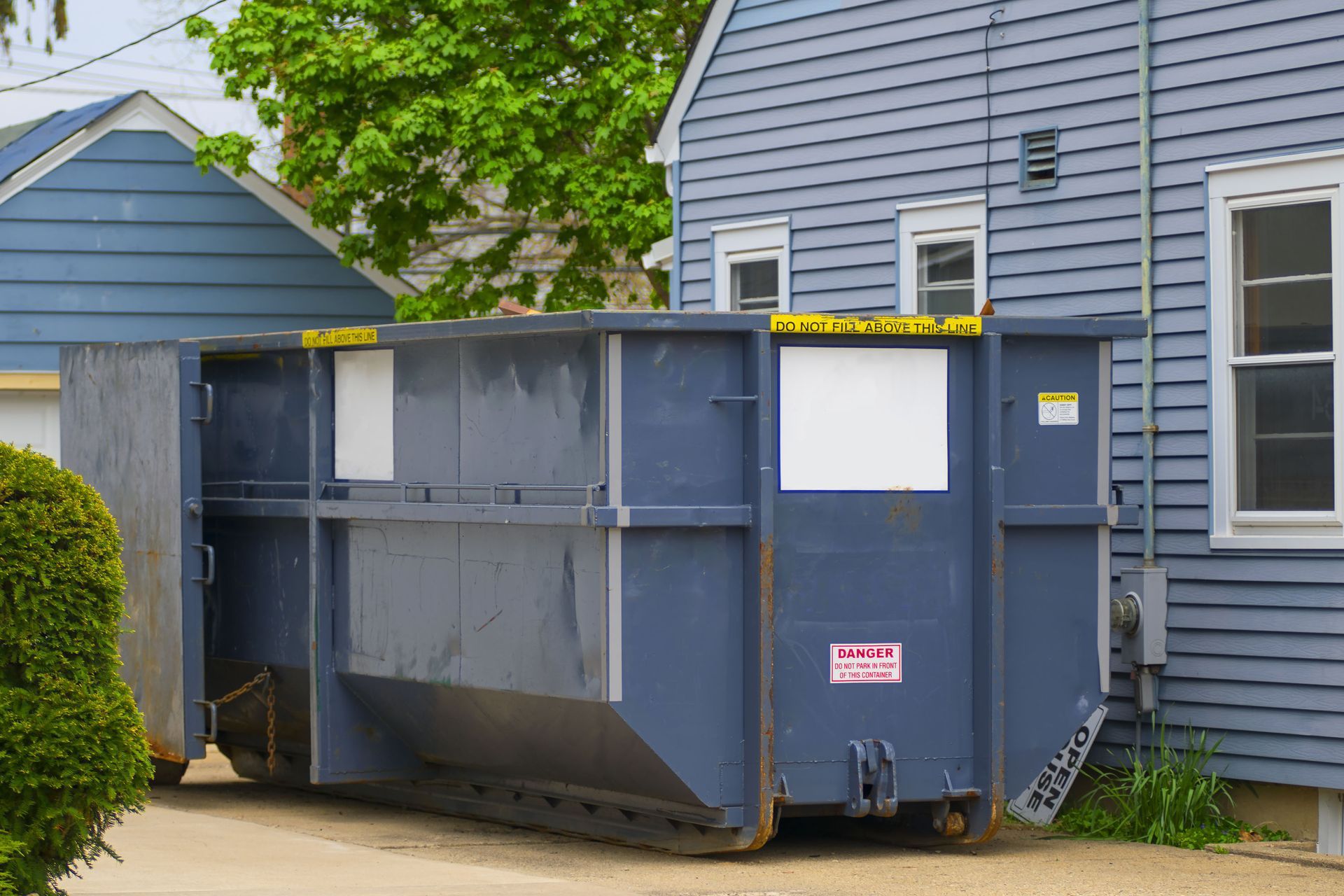
Dumpsters come in various sizes to meet the diverse needs of different businesses. According to Fact.MR, roll-off containers range from compact 10-yard residential units up to large 40-yard construction bins. Smaller dumpsters are suitable for small businesses with limited waste, while larger ones cater to industries generating significant volumes of trash. Understanding these variations helps businesses choose a size that best matches their waste output. This overview provides a basis for aligning business waste needs with the appropriate dumpster capacity.
Front Load vs. Roll-Off Dumpsters
Front-load dumpsters are commonly found in urban settings with routine waste collection services. They are ideal for consistent waste volumes and can be easily emptied by waste collection trucks. Roll-off dumpsters are better suited for large-scale or project-based waste removal, often found in construction or renovation projects. The choice between these dumpsters depends on business operations, waste volume, and collection frequency. Understanding the differences ensures that businesses adopt a dumpster strategy that aligns with their specific requirements.
Specialized Dumpsters for Specific Waste Types
Aside from general waste dumpsters, there are options tailored for specific waste types. Recyclable dumpsters cater specifically to materials that can be repurposed, such as plastics, metals, and paper. Similarly, businesses handling hazardous waste might require containers designed to safely store and transport such materials, ensuring compliance with environmental laws. Choosing a specialized dumpster helps in managing specific waste efficiently, promoting proper disposal practices. This not only prevents contamination but also supports environmental conservation efforts.
Environmental Considerations in Dumpster Types
Selecting the right dumpster type can significantly impact a business's environmental footprint. By opting for dumpsters that facilitate recycling and waste reduction, businesses can contribute positively to sustainability. This involves investing in containers that separate recyclables and other waste categories. Such environmental considerations help align a company's waste management strategies with global sustainability goals. Businesses must weigh their environmental commitments when choosing dumpster types to ensure they uphold responsible waste management practices.
Cost Differences Among Dumpster Types
The type of dumpster chosen impacts rental and operational costs significantly. Smaller or specialized dumpsters may have lower initial costs but could require more frequent pickups, increasing overall expenditure. Conversely, larger dumpsters might have a higher upfront cost but can result in savings if fewer pickups are required. Businesses must consider these financial implications along with size requirements to identify the most cost-effective option. Understanding cost differences is essential to optimize both budget allocations and waste management processes effectively.
Influencing Your Dumpster Size Selection
Business Type and Industry
The industry a business operates in greatly defines its waste needs. Restaurants produce organic waste which may demand regular pickups to avoid sanitation issues. Conversely, retail stores might focus more on packaging waste and recyclables. Manufacturing establishments likely generate varied waste types that necessitate larger, perhaps multiple dumpsters. Understanding these industry-specific requirements helps in choosing dumpsters that cater to the waste nuances of each sector.
Frequency of Waste Pickup
Pickup frequency is another critical factor influencing dumpster size. Businesses that require frequent pickups might benefit from smaller dumpsters, which are easy to maneuver and less expensive. However, if pickup frequencies are less frequent due to location or service availability, larger dumpsters are suitable to avoid overflow. The desired frequency should be balanced with cost implications and actual needs. Adjusting this balance ensures that businesses neither overextend their budgets nor face logistical challenges in waste management.
Available Space for Dumpster Storage
Space limitations can also dictate the size of dumpster selected. Downtown businesses with limited space may only accommodate compact dumpsters, requiring more frequent service. Conversely, companies with large lots or open spaces can house sizable dumpsters, reducing pickup frequency. Space considerations are crucial to ensure dumpsters fit conveniently without interfering with business operations. Proper placement not only facilitates easy waste disposal but also maintains the aesthetic appeal of business premises.
Consideration for Future Business Expansion
A forward-thinking approach ensures that selected dumpsters can adapt to business growth. Projects that envisage future expansion can choose larger dumpsters to avoid constant upgrades. This foresight mitigates unnecessary expenses associated with repeatedly changing dumpsters. Companies should assess current capabilities and future objectives to select appropriately sized containers. Proactively planning for dumpster needs safeguards against operational disruptions due to size mismatches.
Local Regulations and Compliance Requirements
Strict local regulations can impact dumpster choice. Compliance with these regulations, including waste disposal laws and sanitation codes, is mandatory for businesses. Failure to comply could result in fines or disruptions. Hence, businesses must ensure their dumpsters are compliant with local regulations and are suitable for waste types generated. Staying informed about these regulations facilitates smoother operations, helping companies maintain ethical and legal standing within communities.
Choosing the correct dumpster size is a nuanced decision that requires an understanding of your business's waste patterns, constraints, and future needs. By considering varied factors from waste types to cost implications, businesses can enhance efficiency and sustainability efforts. Making an informed choice not only benefits the business financially but also contributes to broader environmental objectives. With appropriate dumpster selection, companies harmonize operational flow with practical waste control imperatives, enabling waste management feasibility. If you're looking for a dumpster rental, contact Johnson Roll-Off Service today.